
Introduction
How is IVf done?. Navigating the world of fertility treatments can be overwhelming, filled with unfamiliar terms and a sense of uncertainty. The goal of this guide is to provide a clear, easy-to-understand explanation of how IVF works. In vitro fertilization (IVF) is a widely used and highly successful fertility treatment that has helped countless individuals and couples achieve their dream of parenthood.
While the journey can seem complex, the IVF process is a series of well-defined steps. This article will break down each stage for you, offering a straightforward roadmap to help you feel informed and prepared for every part of this life-changing journey.
The initial phase of how IVF is done is about preparing your body for the rest of the IVF procedure. This stage focuses on a thorough evaluation and the beginning of medication protocols to optimize your ovarian response.
The very first step is a comprehensive consultation and testing. Your fertility specialist will review your medical history and conduct a series of diagnostic tests. These tests are essential for creating a personalized IVF treatment plan. They often include ovarian reserve testing (to assess your egg supply) and a semen analysis (for male partners). https://dorengynaecareivffertility.com/in-vitro-fertilization-ivf/
A uterine exam may also be performed to ensure the uterus is healthy and ready to receive an embryo. This initial work-up helps your medical team understand your specific situation and tailor the protocol to your needs. This part of the IVF journey is all about gathering the necessary information to give you the best chance of success.
Following the initial assessment, you’ll begin the process of ovarian stimulation. In a natural menstrual cycle, your body typically matures and releases one egg. For in vitro fertilization, the goal is to produce multiple eggs.
To achieve this, your doctor will prescribe fertility drugs, which are usually self-administered hormone injections. These medications, such as FSH (follicle-stimulating hormone), work to stimulate the ovaries to develop multiple follicles, each containing an egg.
During this stimulation phase, you’ll have frequent monitoring appointments. These visits are quick and involve blood tests to check your hormone levels and transvaginal ultrasounds to track the growth of your follicles.
This close monitoring is critical to ensure your body is responding well to the medications and to time the next step perfectly. It’s a key part of what to expect during IVF and allows the medical team to make any necessary adjustments.
Now we’re at the core of how is IVF done? This stage involves two quick yet crucial procedures.
Egg Retrieval and Fertilization
On the day of the egg retrieval, which is a minor, outpatient procedure, you’ll be given a mild sedative to ensure you’re comfortable and don’t feel any pain. The doctor uses an ultrasound to guide a thin needle through the vaginal wall and into each ovary to collect the mature eggs from the follicles.
This process is called follicular aspiration and typically takes about 15-20 minutes. At the same time, the male partner or donor will provide a sperm sample.
Immediately following the egg retrieval, the eggs and sperm are taken to the lab for the next step: fertilization and embryo culture.
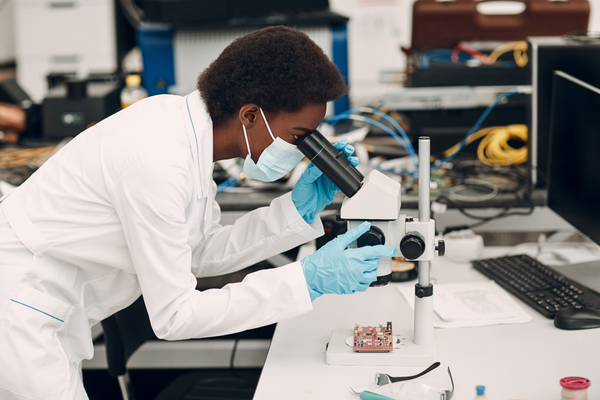
An embryologist, a scientist who specializes in embryo development, will prepare the sperm and either mix it with the eggs in a dish (in vitro) or use ICSI (Intracytoplasmic Sperm Injection), where a single sperm is injected directly into each mature egg. This is a common practice, especially if male factor infertility is a concern. The fertilized eggs are then closely monitored in an incubator to see if they develop into healthy embryos.
The embryologists watch the embryos’ growth and division over the next few days. By day 5 or 6, a healthy, well-developed embryo is called a blastocyst. This is the stage at which the embryos are typically ready for the next step, the embryo transfer. For some patients, doctors may also recommend optional Preimplantation Genetic Testing (PGT) at this stage to screen the embryos for chromosomal or genetic abnormalities before the transfer. This step helps doctors select the healthiest embryos.
Embryo Transfer and Pregnancy Confirmation
The last steps of the IVF procedure are focused on bringing the embryo back into the body and confirming if a pregnancy has been established.
First is the embryo transfer, which is a simple and non-surgical procedure. Unlike the egg retrieval, this step is often done while you are awake and requires no anesthesia. Using an ultrasound for guidance, the doctor places a thin, flexible catheter through the cervix and into the uterus.
The embryo or embryos are then gently released into the uterine cavity. Many patients describe the sensation as being similar to a Pap smear. The decision on whether to use a fresh embryo from the current cycle or a frozen embryo from a previous cycle will have already been made by you and your doctor.
After the transfer, you begin what is often called the “two-week wait,” which can be an emotionally challenging period. You may be asked to continue taking progesterone to help prepare and maintain the uterine lining. https://dorengynaecareivffertility.com/ivf-success-rate-unlock-your-dream/
Approximately 10 to 14 days after the embryo transfer, you will go back to the clinic for a blood test. This is known as a beta hCG test, which measures the level of the pregnancy hormone human chorionic gonadotropin. This test confirms whether the embryo has successfully implanted and if the IVF journey has resulted in a pregnancy. This answers the question of how is IVF done from start to finish.
While there’s no way to guarantee success, several factors play a significant role in the IVF process and its outcome. Understanding these can help manage expectations throughout your IVF journey.
A key factor is patient age. The success rates of in vitro fertilization tend to decrease as a woman gets older, primarily because of changes in egg quality. While IVF can be successful at any age, the probability of conceiving with one’s own eggs is highest for women under 35.
The underlying cause of infertility is another major variable. Conditions like blocked fallopian tubes, endometriosis, or male factor infertility can be directly addressed by IVF, and the prognosis may vary depending on the specific diagnosis. For instance, couples with unexplained infertility may have different success rates than those with a known genetic issue.
Finally, lifestyle and overall health can also affect the outcome. A healthy diet, maintaining a moderate weight, and managing stress can all contribute to a better response to fertility medications and a higher chance of a successful pregnancy. It’s important to have an open conversation with your healthcare provider about all of these factors to understand your individual prognosis.
Conclusion
While the IVF process involves a series of complex medical procedures, breaking it down into these manageable steps can make it feel more approachable. Factors like patient age, the underlying cause of infertility, and overall health and lifestyle can all influence the outcome of the treatment. Understanding these factors and the clear roadmap of the IVF process can help individuals and couples navigate their journey with confidence and a sense of informed preparedness.
What is IVF?
IVF stands for In Vitro Fertilization, a fertility treatment where a woman’s eggs are fertilized with sperm outside of her body in a lab. The resulting embryo is then transferred back into the uterus to hopefully achieve a pregnancy.
How long does an IVF cycle take?
A full IVF cycle typically takes about 2 to 3 weeks, from the start of ovarian stimulation to the embryo transfer. However, the entire IVF journey, including initial testing and waiting periods, can take longer.
Is IVF painful?
While the IVF procedure involves several steps, it’s generally not considered painful. You will receive sedation for the egg retrieval, and the embryo transfer is usually a quick, non-surgical process similar to a Pap smear. Some patients report mild discomfort or cramping.
How many embryos are transferred during an IVF procedure?
The number of embryos transferred is a decision made by you and your doctor. It depends on various factors, including your age, embryo quality, and medical history. The goal is to transfer the fewest number of embryos possible to achieve a healthy pregnancy and minimize the risks of a multiple-fetus pregnancy.
What are the side effects of IVF medications?
The side effects of fertility medications are typically mild and may include bloating, mood swings, headaches, and bruising at the injection site. Your doctor will monitor you closely to manage any side effects.
