
In Vitro Fertilization (IVF)
In Vitro Fertilization (IVF) & Fertility Treatment | Dorengynaecare IVF
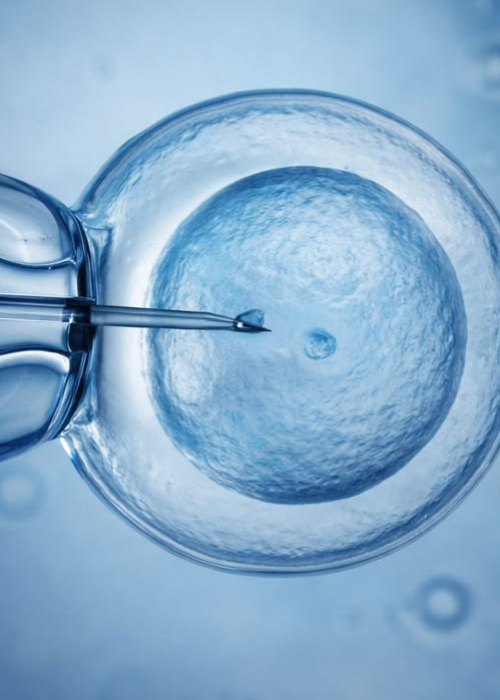
In vitro fertilization (IVF) is a highly advanced medical procedure designed to achieve fertilization in a controlled laboratory environment. The process begins with the retrieval of mature eggs from the ovaries, which are then fertilized with sperm in a lab dish. The resulting embryos are cultured before being transferred into the uterus, typically on day 3 or day 5 after fertilization. IVF is widely regarded as the most effective form of Assisted Reproductive Technology (ART), and it can involve using either your own eggs or donor eggs, along with your partner’s or donor sperm.
IVF is often recommended when other fertility treatments have not been successful. Additionally, with techniques like embryo biopsy and pre-implantation genetic testing (PGT-A and PGT-M), embryos can be assessed for genetic conditions. At DOREN-GYNAECARE IVF, we offer various IVF options, including Mild Stimulation IVF, Conventional Dose IVF, Natural Cycle IVF, Natural Modified IVF, Reciprocal/Shared Motherhood, IVF for Single Women, and IVF for Women Over 40/50
We are committed to providing customized fertility solutions, including services for women over 45 and single women wishing to conceive.
Common causes of infertility IVF can address
IVF can be highly effective in addressing a range of infertility issues, especially when other treatments haven’t worked. A specialist consultation will confirm what’s right for your situation.
Female age: Egg quantity and quality decline over time, making conception more challenging
Ovulatory disorders: Conditions like PCOS can disrupt regular ovulation.
Endometriosis: Uterine-like tissue growing outside the uterus, affecting fertility.
Unexplained infertility: Sometimes no clear cause is identified despite thorough testing.
Male Age: Older men may experience reduced sperm quality.
Fallopian tube damage: Previous infections or surgeries can block eggs from meeting sperm.
Male factor infertility: Low sperm count, poor motility, or abnormal morphology.
Genetic factorsDisorders like sickle cell disease, addressed through IVF with genetic testing.
Understanding the IVF Process
The IVF process involves several key steps aimed at supporting your journey to parenthood. Here’s a breakdown of the procedure at DOREN-GYNAECARE IVF
01
Ovarian Stimulation
Hormonal medications are used to stimulate the ovaries to produce multiple eggs. This is monitored with blood tests and ultrasounds.
02
Egg Retrieval
A minor surgical procedure retrieves the eggs once they are mature. A thin needle, guided by ultrasound, is used, and sedation or anesthesia may be administered.
.
03
Sperm Collection
On the day of egg retrieval, sperm is collected from the partner or a donor. The sperm is processed to isolate the healthiest and most motile sperm
04
Fertilization
The eggs are fertilized either through traditional insemination or intracytoplasmic sperm injection (ICSI), where a single sperm is injected directly into an egg.
05
Embryo Culture
The embryos are monitored for 3 to 5 days as they develop, with regular assessments to evaluate their quality.
06
Embryo Transfer
One or more healthy embryos are selected and transferred into the uterus through a simple procedure using a thin catheter, typically without anesthesia.
07
Support
Hormonal medications may be prescribed to support the uterine lining and improve implantation chances.
08
Pregnancy Test
A blood test is done about two weeks after the transfer to confirm pregnancy.
Types of IVF and Approaches to Ovarian Stimulation
To help you achieve your dream of parenthood, we offer personalized fertility consultations and testing tailored to your unique needs. Our experts assess your individual chances of success with various IVF options and provide guidance to help you make informed decisions. Contact us to schedule a consultation and learn more about the best IVF approach for you.
Micro/Mini IVF
Micro and Mini IVF are alternatives to traditional IVF designed to reduce the physical and financial strain by using fewer medications and retrieving fewer eggs.
- Cost-effective — lower medication usage
- Lower risk of ovarian hyperstimulation (OHSS)
- Can be paired with a natural cycle
Mini IVF
A milder medication protocol retrieves more eggs than Micro IVF (usually 3–10).
- Fewer medications, fewer side effects
- Success rates often comparable to conventional IVF
- Shorter treatment time
Conventional Dose IVF
A standard dose of gonadotropins stimulates the ovaries to produce multiple eggs — often used for women with a good ovarian reserve or specific fertility issues.
Natural Cycle IVF
Uses the body’s natural ovulation cycle — a single egg is retrieved and fertilized without fertility medications.
- Fits regular cycles or reduced ovarian reserve
- Good option after prior IVF or with PCOS/endometriosis
- Lower cost, fewer side effects
Natural Cycle IVF
Candidates for Natural Cycle IVF:
- Women with regular menstrual cycles
- Older women with reduced ovarian reserve
- Women with PCOS or endometriosis
- Patients who have experienced previous IVF failures
- Those seeking a more affordable, natural approach
Each case is unique, and a fertility specialist will help determine the best approach based on individual health and goals.
In summary, DOREN-GYNAECARE IVF offers a range of tailored fertility solutions to meet individual needs, with various IVF types and approaches to ovarian stimulation designed to enhance success and minimize costs. Consult with our expert team to find the best path for you.
Frequently Asked Questions
Have questions about your fertility journey? Below are answers to some of the questions we’re asked most often. If you don’t see what you’re looking for, feel free to contact us directly.
Still Have Questions?
Still have questions? Our team is here to help , contact us today to speak with a fertility specialist.
How long does an IVF cycle take?
An IVF cycle typically runs 4–6 weeks from start to finish, though some cases may extend to 6–8 weeks depending on the patient’s individual treatment protocol and medical needs.
Does my spouse need to be present for every appointment?
No , it isn’t compulsory for a spouse to attend every appointment, but couples are encouraged to attend together whenever possible since fertility treatment works best as a shared journey between partners
How much does IVF cost in Nigeria?
The cost of fertility treatment varies depending on your individual diagnosis, treatment plan, and medication needs. Our team provides a personalized cost estimate after your initial consultation. We also offer fertility financing options to help make treatment more accessible..See our Financing page for details.
What factors affect IVF success rates?
Success depends on several things — the couple’s age and weight, egg and sperm quality, and underlying conditions such as endometriosis or PCOS, plus lifestyle factors like alcohol use and smoking , as well as the experience of the clinical team and quality of the lab.
Is infertility only a woman's problem?
No, this is a common misconception. Male factor infertility accounts for nearly half of all infertility cases, though it’s often mistakenly treated as a female-only issue.
Are there health risks or side effects with fertility treatment?
Fertility medications may occasionally cause mild side effects, which are carefully monitored by specialists throughout treatment. Some patients may also experience soreness or bruising from injections, or breast tenderness similar to premenstrual symptoms.
Is IVF treatment in Nigeria as good as treatment abroad?
Yes. Nigeria has become a preferred IVF destination thanks to advanced medical care and experienced specialists, with treatment often more cost-competitive than options abroad, including for Nigerians in the diaspora.
© Copyright 2025 | Doren-Gynaecare IVF | Fertility Centre | Privacy Policy | Terms and Conditions| Website Development by Uppermark Solutions Limited