Preimplantation Genetic Testing (PGT): Ensuring Healthy Embryos for IVF Success
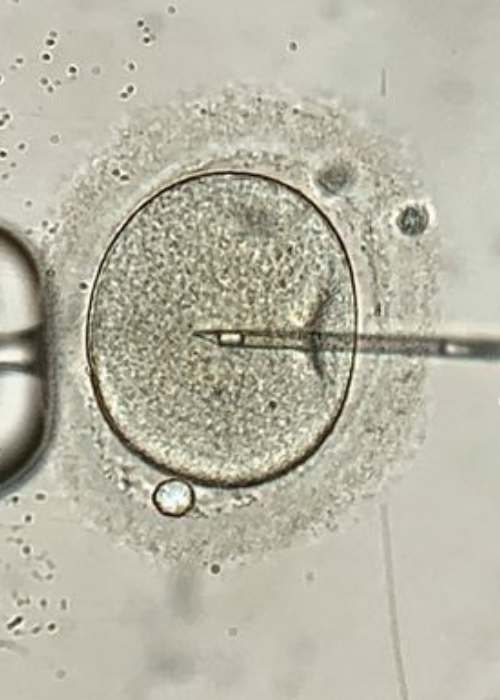
Preimplantation Genetic Testing (PGT) is a crucial step in in vitro fertilization (IVF) that screens embryos for genetic abnormalities before they are implanted in the uterus. PGT helps ensure that only the healthiest embryos are selected for transfer, greatly improving the chances of a successful pregnancy. It is particularly beneficial for couples with known genetic risks, recurrent pregnancy loss, or those of advanced maternal age (over the age of 35). At DOREN-GYNAECARE IVF, we offer two primary types of PGT: PGT-A (Aneuploidy Screening) for chromosomal health and PGT-M (Monogenic Disorders) for specific genetic mutations.
The PGT Process: From Blastocyst Stage to Embryo Transfer
The PGT process generally follows these steps:
01
IVF Procedure
Eggs are retrieved from the ovaries and fertilized with sperm to create embryos.
02
Embryo Development
Embryos are cultured for several days, typically until they reach the blastocyst stage (day 5).
03
Cell Sampling:
A few cells are carefully removed from each embryo through a process called trophectoderm biopsy.
04
Genetic Testing
The extracted cells are analyzed for chromosomal abnormalities (PGT-A) or specific genetic mutations (PGT-M).
05
Embryo Selection
Only embryos that are free from genetic issues are selected for transfer.
06
Embryo Transfer:
The healthy embryos are transferred into the uterus, with the goal of achieving a successful pregnancy.
Benefits of PGT-A (Aneuploidy Screening): Improving Implantation Rates and Live Birth Success
PGT-A plays a vital role in improving the success rates of IVF by providing insight into the genetic health of embryos and promoting healthier pregnancies.Preimplantation Genetic Testing for Aneuploidy (PGT-A), formerly known as Preimplantation Genetic Screening (PGS), offers several key advantages in IVF:
Improved Implantation Rates
By identifying embryos with the correct number of chromosomes, PGT-A increases the chances of successful implantation.
Reduced Risk of Miscarriage:
PGT-A helps reduce the likelihood of miscarriage, which is often caused by chromosomal abnormalities. This contributes to miscarriage reduction.
Higher Live Birth Rates
Selecting genetically normal embryos enhances the probability of a live birth.
Shorter Time to Pregnancy
PGT-A can minimize the number of IVF cycles needed to achieve a pregnancy by increasing the success rate of each transfer, leading to a quicker time to pregnancy.
Better Outcomes for Older Women
For women of advanced maternal age, PGT-A is especially helpful, as the risk of chromosomal abnormalities increases with age.
Benefits of PGT-M (Monogenic Disorders Screening): Managing Inherited Genetic Risks
PGT-M helps manage hereditary genetic risks, providing families with a chance for healthier pregnancies and preventing the transmission of certain genetic disorders.Preimplantation Genetic Testing for Monogenic Disorders (PGT-M), previously known as Preimplantation Genetic Diagnosis (PGD), is a valuable option for couples who are at risk of passing on specific genetic conditions or inherited genetic disorders. The benefits include:
Prevention of Genetic Diseases
PGT-M allows for the selection of embryos that do not carry inherited genetic disorders, reducing the risk of passing these conditions onto children.
Increased Pregnancy Success:
By selecting embryos without genetic defects, PGT-M enhances the chances of a successful pregnancy and lowers the risk of miscarriage.
Enhanced Genetic Counseling
PGT-M is often accompanied by genetic counseling, offering families a deeper understanding of their genetic risks and implications
.
Improved Family Health Awareness
The process increases awareness and understanding of genetic conditions, enabling families to make informed health decisions, thus fostering family health awareness.
Contact Us for More Information on Achieving Your Fertility Goals
If you’ve faced challenges starting a family, even with assisted reproductive technologies, DOREN-GYNAECARE IVF can help. Our expert team offers advanced genetic testing options like PGT-A and PGT-M, providing you with vital information to make informed decisions during your IVF journey. By screening embryos for genetic abnormalities, we help increase your chances of having a healthy pregnancy and a healthy baby. Reach out to us today to learn more about how our genetic screening services can support your fertility goals and give you peace of mind during this crucial process.