Laparoscopy

20+ yrs

Specialist surgical experience

30–60 min

Typical procedure lengthsurgical experience

1 session

Diagnosis and treatment combined

Laparoscopy for Infertility Diagnosis & Treatment | Improving IVF Success

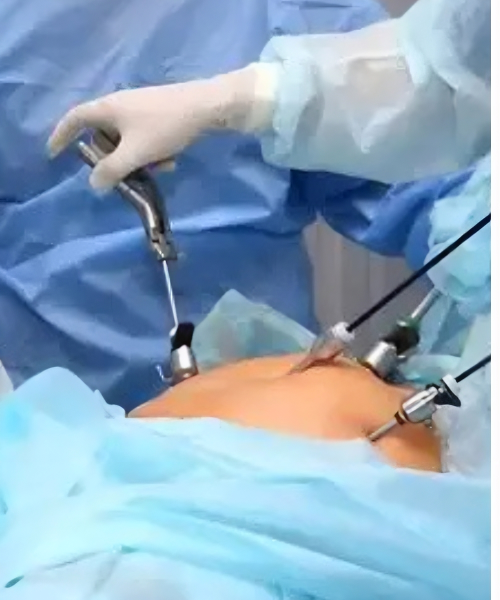
At DOREN-GYNAECARE IVF | FERTILITY, we use laparoscopy, a minimallyinvasive surgical technique,to diagnose and treat various gynaecological conditions that may impact fertility, such as endometriosis, fibroids, pelvic adhesions, and ovarian cysts. This procedure allows for both diagnosis and treatment in one session, improving the chances of successful IVF by addressing underlying issues that hinder conception. With over 20 years of experience, our specialists provide advanced care using the latest technology to support patients on their fertility journey.

upscalemedia-transformed (2)

Infertility Conditions Treated by Laparoscopy

Here are five conditions laparoscopy helps us find and treat . Each of these can quietly interfere with conception. Laparoscopy lets us confirm what’s happening and, in most cases, correct it before you move forward with IVF.

Endometriosis

We locate and remove endometrial tissue growing outside the uterus, which can interfere with implantation.

Pelvic adhesions

Scar tissue that binds the fallopian tubes or pelvic organs is identified and released to restore normal movement.

Ovarian cysts

Cysts that block healthy ovulation are diagnosed and, where appropriate, removed in the same procedure.

Tubal factor infertility

We assess the fallopian tubes for damage or blockage and repair them where possible, improving natural conception odds.

Uterine abnormalities

Fibroids or polyps distorting the uterine cavity are diagnosed and addressed to support implantation.

 

Not sure which of these applies to you?

Built to treat, not just to look

Compared with open surgery, laparoscopy is designed to get you back to your fertility plan faster ,  with less trauma to the body along the way.

Smaller incisions, better cosmetic outcome

Lower risk of infection

Reduced blood loss during surgery

Associated with improved IVF success rates

Diagnoses and treats in the same session

Lower risk of infection

Quicker return to active fertility treatment

What to Expect During Laparoscopy

A walk-through of a typical laparoscopy, in the order it happens.

Step 01

Anaesthesia

You’re given general anaesthesia so you’re asleep and pain-free for the whole procedure.

Step 02

Incision

A small cut, usually near the belly button, opens the way for the laparoscope.

Step 03

Insufflation

Carbon dioxide gently expands the abdomen, giving the surgeon room to see clearly.

Step 06

Surgical Intervention

 The surgeon performs the required procedure using the inserted tools.

Step 04

Laparoscope Insertion

A thin, flexible tube with a camera is inserted, sending images to a monitor for the surgeon to examine your organs.

Step 05

Additional Incisions

If treatment is necessary, small incisions will be made for surgical instruments.

Step 07

Completion

After the procedure, carbon dioxide is released, and the incisions are closed.

.

Most procedures run

30-60 minutes

start to finish, followed by monitored recovery as the anaesthesia wears off.

Learn More About Laparoscopy & Your Fertility Journey

Contact us today for more information or to schedule a consultation. We’re here to guide and support you

Hours:  Mon – Sat, 8am – 4pm

Address:   9 Omoba Samsudeen Rd, Thomas Estate, Ajah, Lagos

Phone: (+234) 7075752354, (+234)  8167163836

Where your dreams meet our expertise and compassionate care

© Copyright 2025 | Doren-Gynaecare IVF | Fertility Centre | Privacy Policy | Terms and Conditions| Website Development by Uppermark Solutions Limited