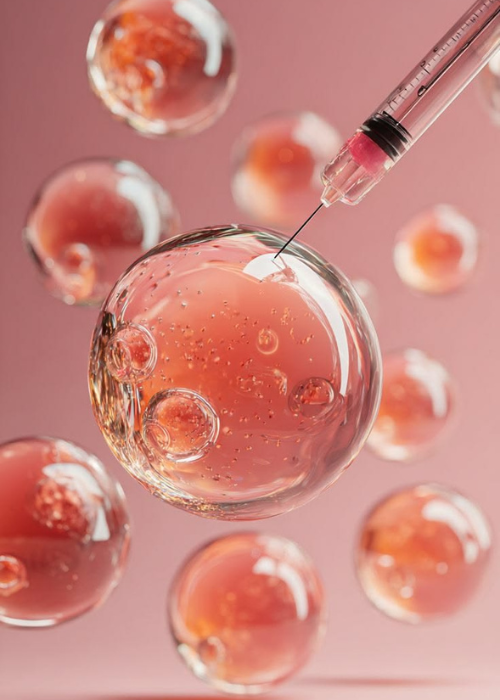
Frozen Embryo Transfer – Enhancing IVF Success Rates
In a natural cycle, only one egg is released, limiting the number of embryos for transfer. However, through ovarian stimulation in IVF using HMG (human menopausal gonadotropin) injections, multiple eggs are produced, allowing for more embryos. These embryos can be frozen and stored for future use, providing additional opportunities for pregnancy without the need to repeat the IVF cycle. Frozen Embryo Transfer (FET) enables patients to utilize these frozen embryos later, offering more chances for success. Contact DOREN-GYNAECARE IVF to learn about FET and how it can optimize your IVF journey.
Frozen embryos, stored for future use, differ from fresh embryos that are created and transferred during the same IVF cycle. Freezing embryos allows for better timing and the option to perform genetic testing before transfer. Due to improved techniques like vitrification, success rates for frozen embryos are now comparable to or even higher than fresh embryos. Studies suggest FETs often result in better implantation rates, fewer cases of ovarian hyperstimulation syndrome (OHSS), and fewer complications overall. However, age, embryo quality, and reproductive health remain important factors in success.
Advantages of Frozen Embryo Transfer
FET offers several benefits, including avoiding the need for repeated egg retrievals, sperm collections, and fertilizations. It reduces physical, emotional, and financial stress while improving flexibility, timing, and success rates.
01
Avoids repeated egg retrievals, sperm collections, and fertilizations
02
Reduces physical, emotional, and financial stress
03
Improves flexibility and timing of treatment.
04
Makes the most of existing embryos, increasing the likelihood of pregnancy.
If you’re considering IVF or fertility care, discover how the expert team at DOREN-GYNAECARE IVF | FERTILITY can support you on your journey to building the family you’ve always dreamed of.